Video infrastructure
Source: src/app/infrastructure/video
A video file is a compressed stream; getting one picture out of it takes real work. Blurzy splits that work between two classes:
| Class | Job | Thread rule |
|---|---|---|
VideoReader |
Opens the file with PyAV, reports metadata, and decodes frames to rotated RGB arrays | Not thread-safe. Give each decoding thread its own instance |
VideoDecodeWorker |
A QThread that keeps a window of upcoming frames decoded in a ring buffer so playback never waits for the decoder |
Owns its own reader; talks to other threads through a mutex, the buffer's lock, and one signal |
Both are attached to a runtime Session. The session also holds a
separate VideoReader (session.video_reader) that supplied the metadata at
open time; the decode worker opens a second one for itself.
Reader: metadata and frames
Opening a reader selects the first video stream and builds the domain metadata
(size, frame rate, frame count, duration). Rotation comes from stream metadata,
stream side data, or an MP4 container fallback; a user rotation is added on top,
and quarter turns swap width and height. Every returned frame is rotated and made
contiguous in memory (padding bytes from PyAV can crash QImage).
Two read modes exist:
- Sequential (
read_next_frame) returns(index, frame)and counts frames one by one, ignoring variable-frame-rate timestamps. A new reader starts at index 0. - Indexed (
read_frame_at_index) decodes forward when the target is at most 60 frames ahead of the reader's position; otherwise it seeks the container to the target timestamp, anchors its counter on the first decoded frame once, and counts sequentially again.
Failure shapes differ
Stream exhaustion raises EndOfVideoStreamException
(the read_next_frame docstring says ValueError; the code raises the
custom exception). An indexed read raises VideoReadFrameException for decode
errors but returns None when the target cannot be reached. A permission
error closes and reopens the file, rewinds to frame 0, and returns None.
Callers must handle both shapes.
VideoDecodeWorker: the playback buffer
VideoDecodeWorker is the piece that makes playback smooth. Decoding one frame
can take longer than a frame interval, and seeking is slower still. The worker
therefore decodes on its own thread, a little ahead of what the user is
watching, and stores the pictures in a
VideoRingBuffer of 90 frames. The GUI thread only ever
looks frames up; it does not decode during normal playback.
Two words used below
Playhead: PlaybackState.current_frame_index, the frame the user is on.
The GUI thread writes it; the worker reads it (without a lock) to decide how
far ahead to decode. Hard seek: discard the buffer, jump the reader to a
requested frame, and restart the buffer there.
Who calls it
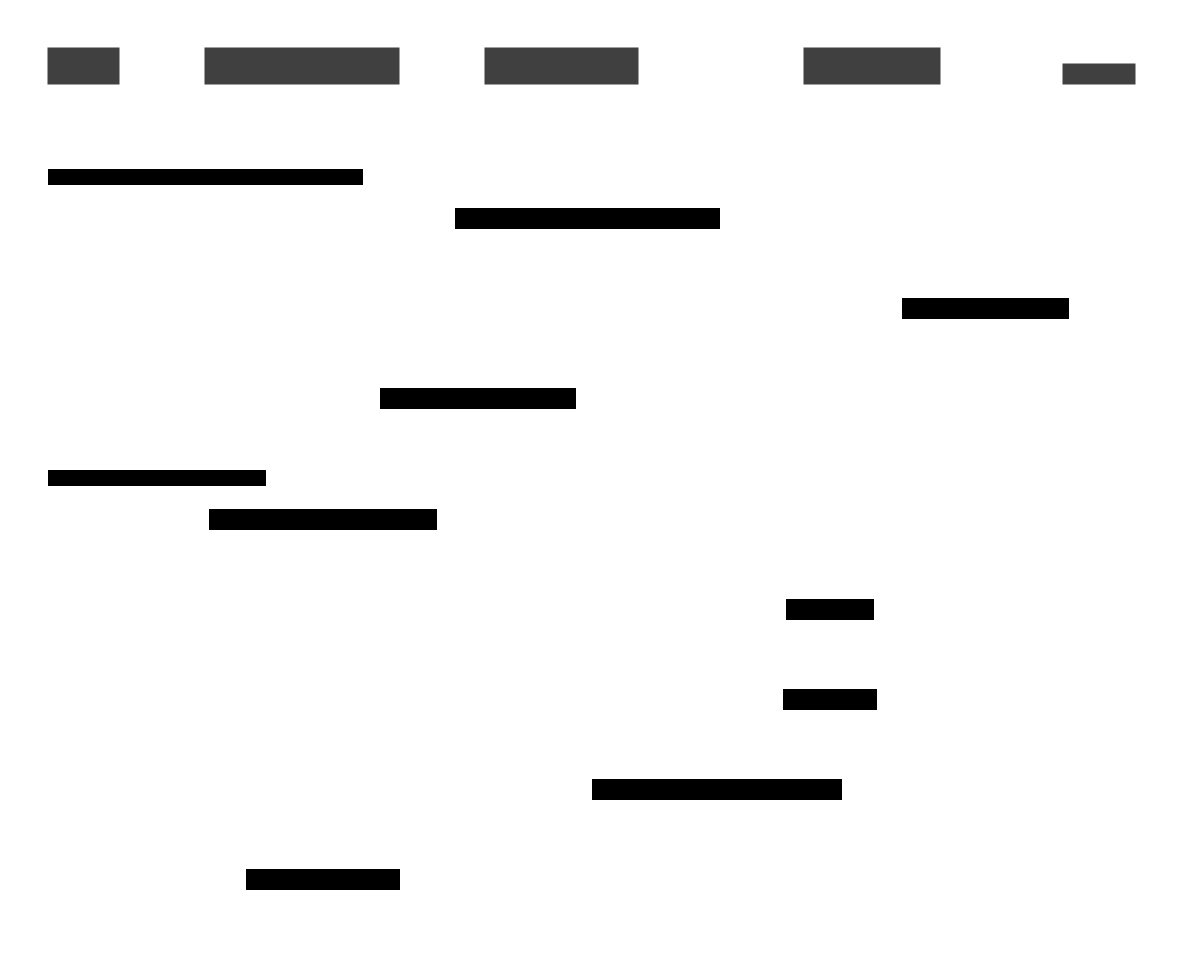
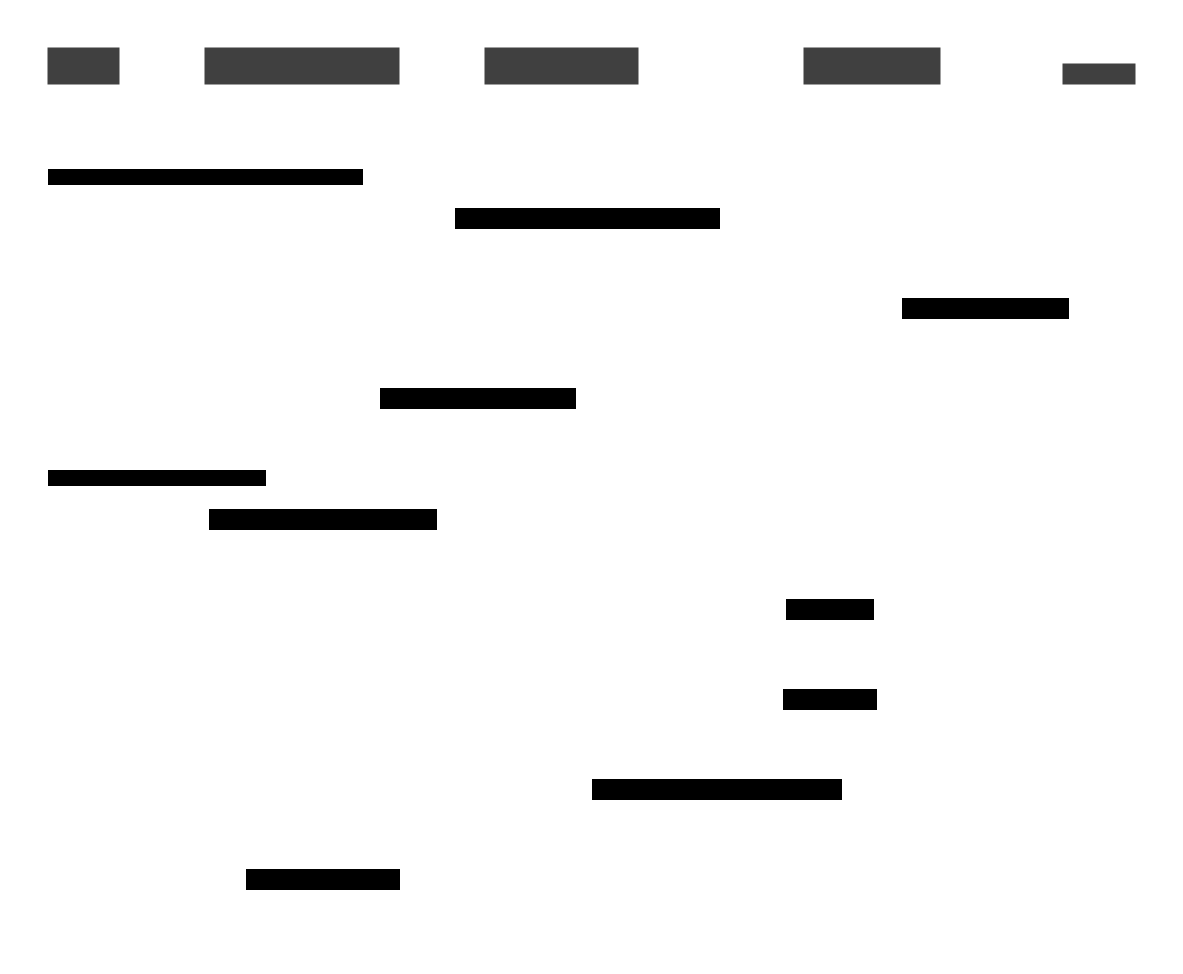
Arrows are calls or signals, top to bottom in time. Different callers use different methods:
| Caller | Method | When |
|---|---|---|
SessionInitializer |
construct + start() |
Session open. The thread runs immediately but is inactive and just sleeps |
VideoDecodeWorkerManager (Application) |
set_active(True, resume_idx) / set_active(False) |
On active-session switch: the old session is deactivated, the new one activated at its playhead |
SessionFrameAccessor (through Session.get_*_frame) |
get_cached_frame_at_index, request_seek |
Every frame fetch: playback tick, scrub, step, detection of the current frame |
Session.close() |
stop() |
Teardown |
The UI also listens: SessionHandler connects signals.seek_completed (single
shot) so that, once the first frame after opening is buffered, a paused view
renders it. The signal is emitted from the worker thread; Qt delivers it to the
GUI thread's slot.
Ownership boundary
The Application manager only toggles activity. It never touches the buffer, the reader, or the loop. Buffer lookups and seek requests belong to the session's frame accessor, described in Session.
The playhead, the buffer, and seeking
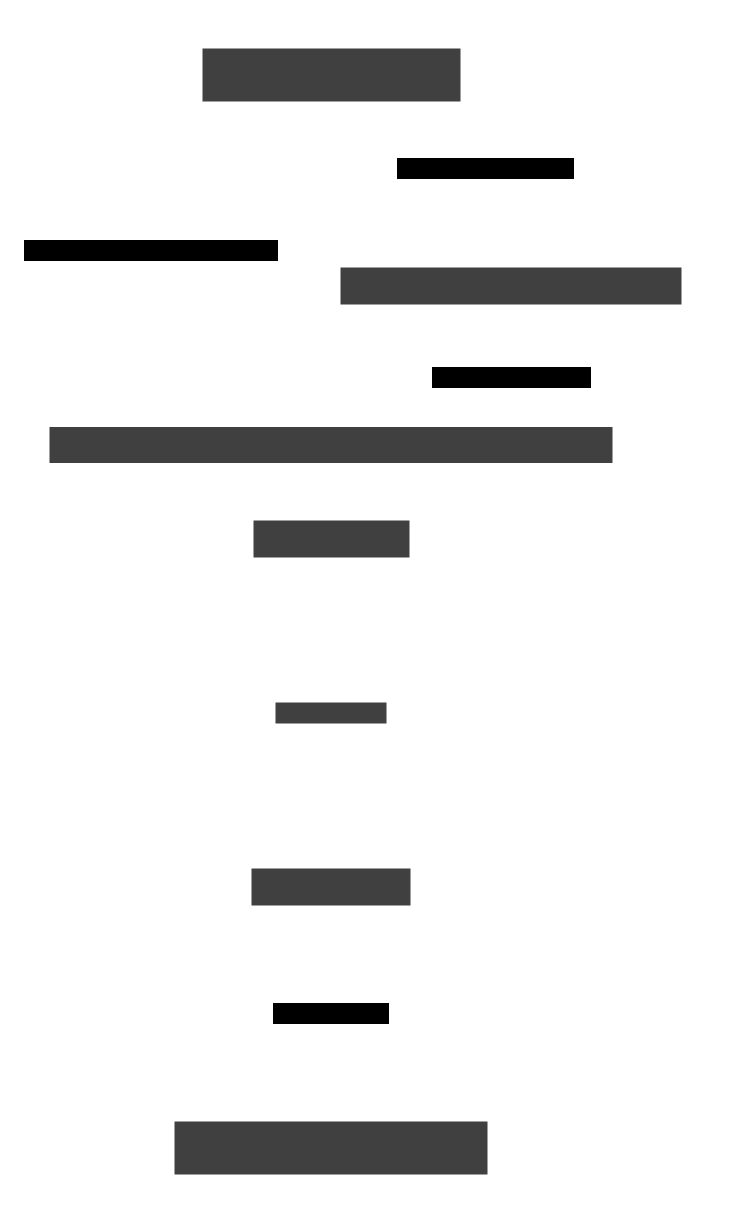
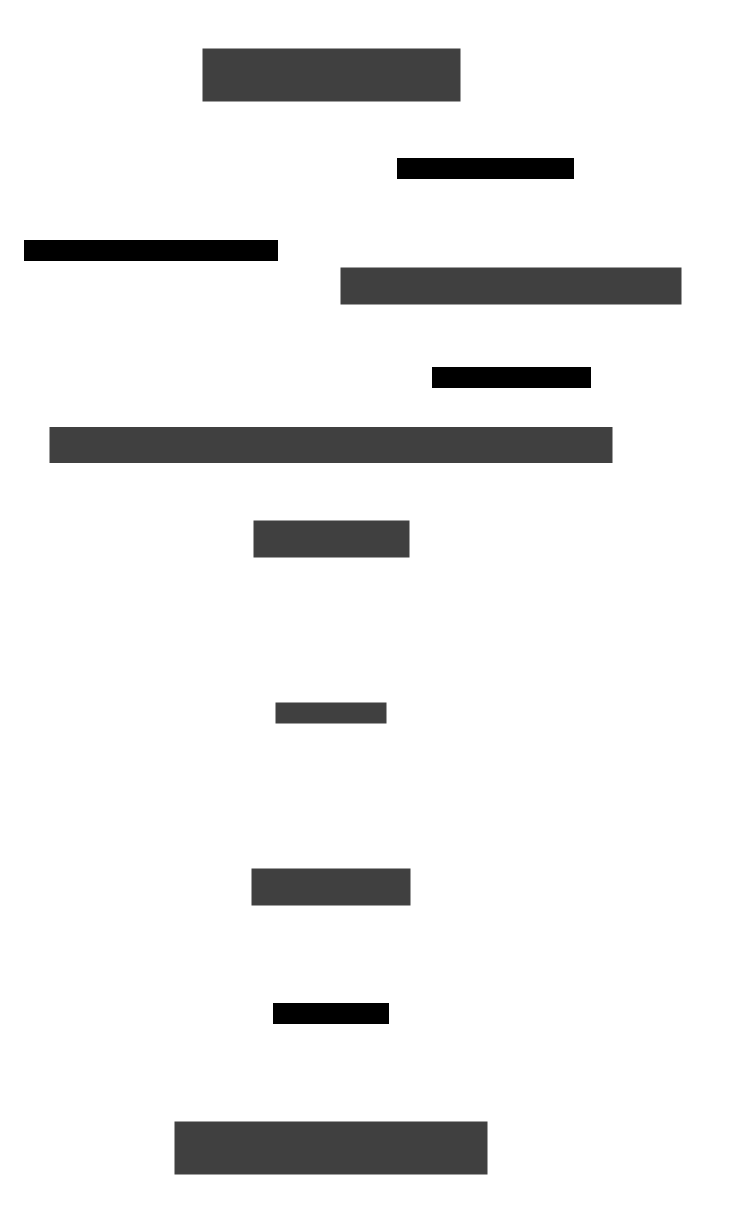
Solid arrows are the steady state; dashed arrows are the seek path. In the steady state the worker decodes forward until its newest frame is 45 or more frames ahead of the playhead, then pauses (the throttle line). As playback moves, the gap shrinks and decoding resumes. The ring holds one contiguous index range: once more than 90 frames are stored, the oldest is overwritten, so roughly the last 44 frames behind the playhead stay available for stepping back.
A hard seek is requested in two cases: activation (set_active(True) schedules a
seek to resume_idx) and a far cache miss from the frame accessor.
request_seek records the target and clears the buffer immediately, on the
caller's thread, so stale frames cannot satisfy the lookup; the worker performs
the decode on its next loop pass.
The decode loop


Each pass makes exactly one decision, in this order: inactive, seek, throttle, decode. The seek request is read and cleared under the mutex, so the newest request wins and earlier ones are dropped. After a seek, sequential reading continues from where the reader landed, so playback proceeds without another seek.
| Resource or limit | Value | Where it lives |
|---|---|---|
| Ring buffer capacity | 90 frames | Hard-coded in the worker constructor; not configurable |
| Decode-ahead threshold | playhead + 45 | Hard-coded in run() |
| Idle / throttle sleep | 10 ms | Inactive and throttled passes |
| End-of-stream sleep | 100 ms | Worker stays alive after the last frame |
| Frame fetch timeout | 2 s, polled every 10 ms | Frame accessor, not the worker |
| Deactivation | clears the buffer | Releases cached image memory for background sessions |
Failure and limitation notes (read from the code)
- A failed seek never emits
seek_completed. An exception is logged; a reader that returnsNoneis dropped silently. The requester then times out after 2 s. - A sequential read error is logged and retried on the next pass with no sleep, so a persistent error can log repeatedly.
- The playhead is read across threads without a lock; the worker may act on a slightly stale value, which only affects how far ahead it decodes.
- The worker never advances the playhead; only frame lookups on the GUI side do.
Shutdown
Session.close() calls stop(): clear the running flag, quit(), wait up to
500 ms, terminate() as a last resort if the thread is stuck, then close the
worker's reader. Callers should not delete the thread before stop() returns.
Do not confuse the caches
The ring buffer caches decoded pixels. The detection worker caches inference results, and the session store holds annotations. Clearing the ring buffer, including deactivation, does not delete layers A-D.
Playback state and the buffer type belong to the video domain. Session wiring and teardown: session infrastructure and application managers. Signatures: generated API reference.