Appearance embeddings
Implementation: src/app/infrastructure/tracking/reid_extractor.py
Two people who cross paths can swap IDs if the tracker only knows where they are. Re-identification (Re-ID) adds what they look like. Blurzy turns the image inside each box into a short list of numbers (an embedding); similar looking crops give similar lists. Comparing two lists with cosine similarity says "probably the same person" or "different".
No neural network
PartBasedAppearanceEmbedder uses hand-built colour and edge histograms.
It needs no model weights or downloads, runs on the worker thread, and is
cheap, but it is weaker than a learned Re-ID model. It captures clothing
colour and texture, so two people dressed alike can look identical.
Where this sits
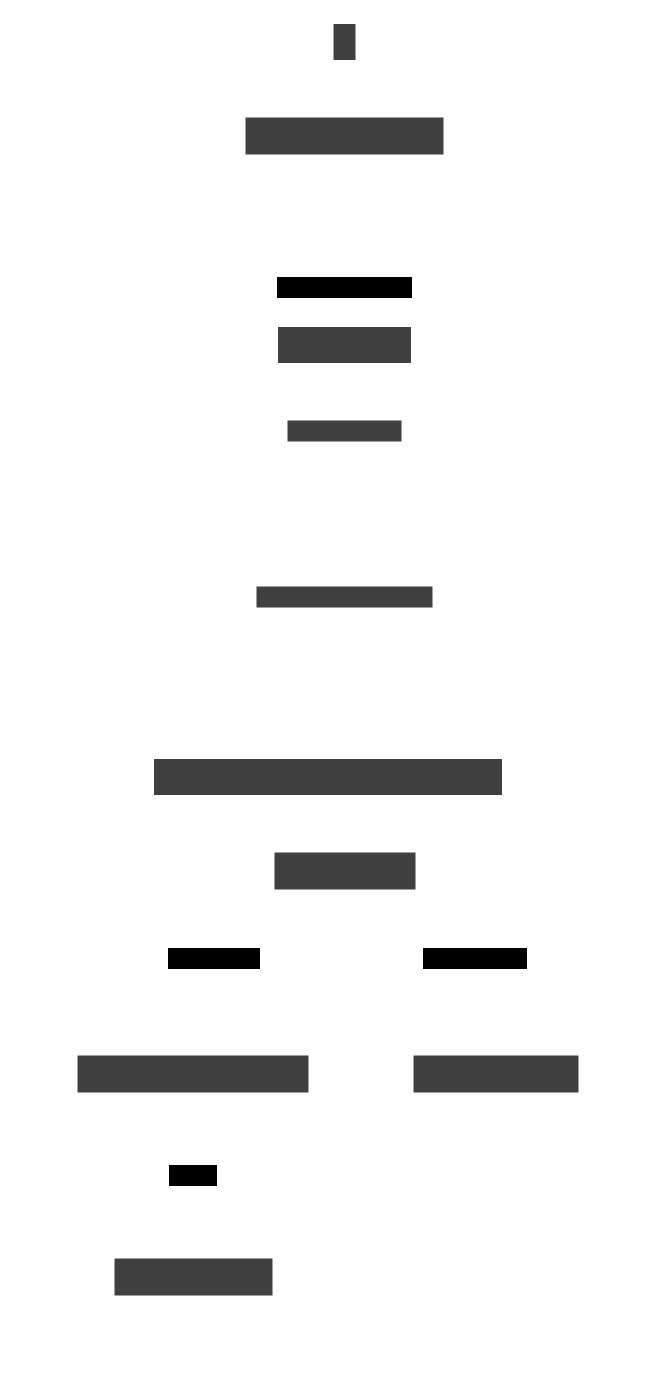
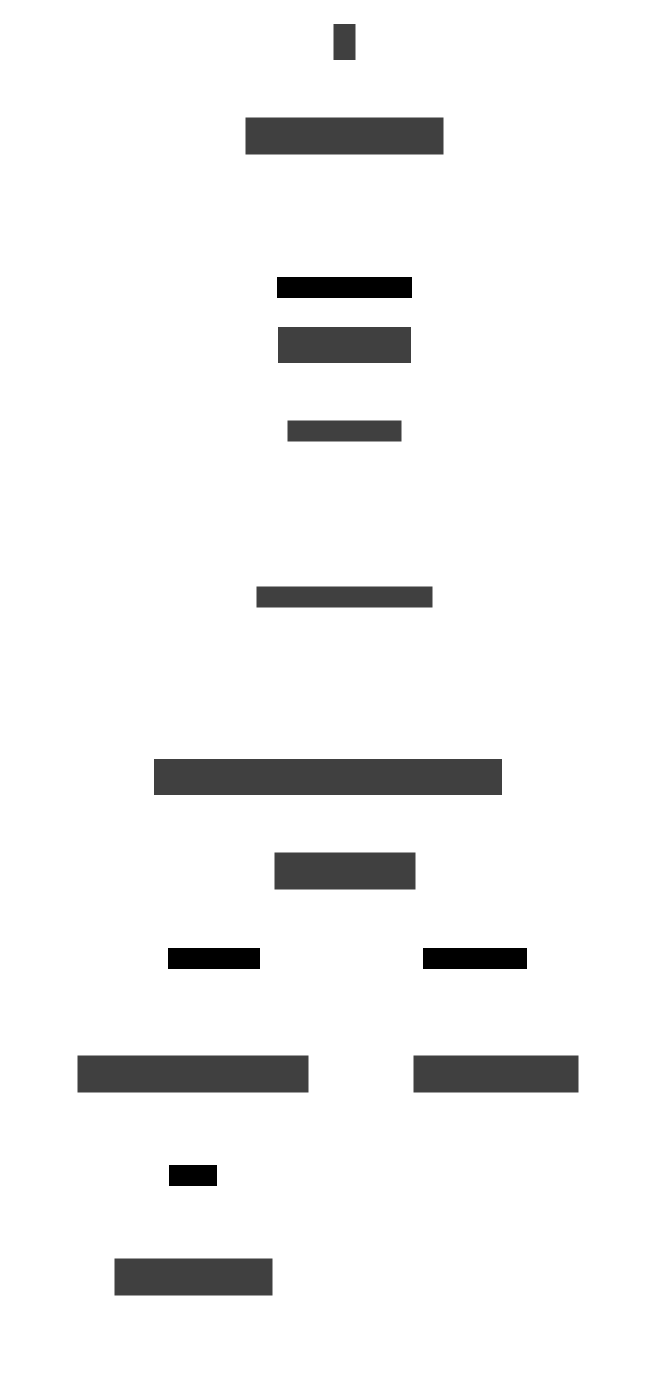
Solid arrows are calls or data flow. The settings dialog stores
reid_embedding_dim; the worker builds the embedder from it at the start of
run(). The thick box is this page.
From box to vector


Arrows are processing steps for one box.
- The box is clamped to the frame and cropped. A crop narrower or shorter than
2 px yields
None. - The crop is resized to a canonical 64 x 128 grid, so box size does not change the vector.
- Histograms are computed per body region: hue-saturation-value and CIE-LAB colour, and Sobel edge orientation (texture).
- The result is scaled to length 1, so a dot product is the cosine similarity.
| Dimension | Layout | Trade-off |
|---|---|---|
| 128 | Three horizontal strips, HSV and edges | Fastest |
| 256 (default) | Three strips plus a narrower centre core that ignores edge clutter | Balanced |
| 512 | Six regions (2 columns x 3 rows) with fine and coarse edges | Most detail, slowest |
Other values raise ValueError.
When there is no vector
The result is None for a missing frame (no readable local video), a tiny
crop, or—for strategies—an all-zero descriptor. Frames must be 8-bit RGB;
any other array shape or dtype raises ValueError, which the worker reports
through error_occurred. Strategies and the linker treat None as "no
appearance evidence", never as a mismatch.
Who uses the vectors
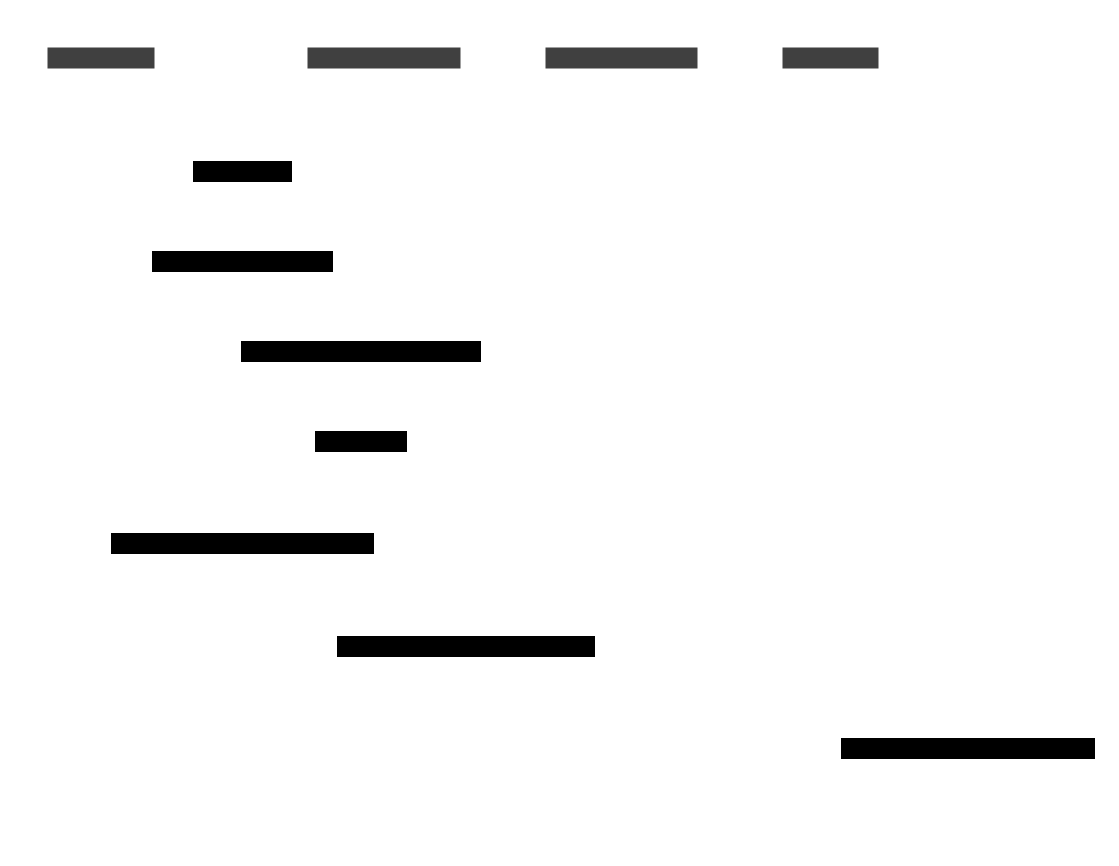
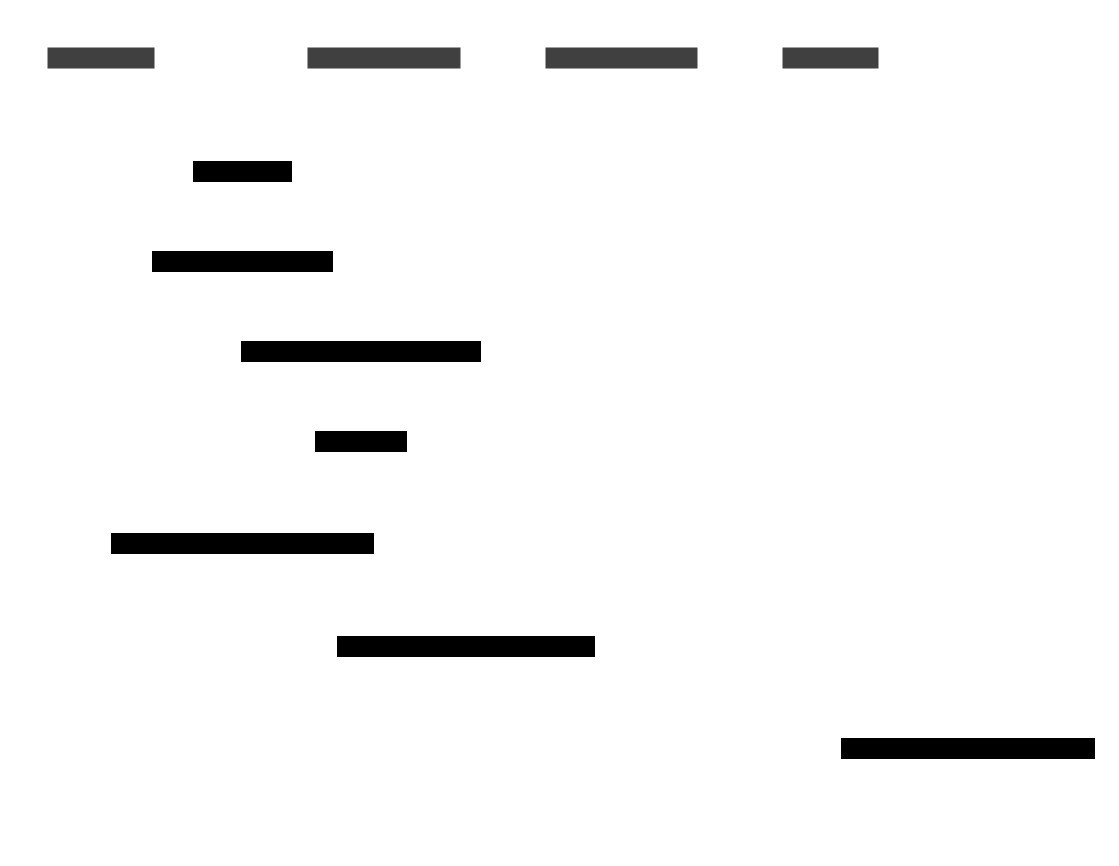
Time flows downward. Vectors are computed for every strategy, even those that ignore them, because the post-processor uses them too.
- During matching. DeepSORT and BoT-SORT compare each detection with per-track appearance memory.
- After matching. The worker keeps one vector per observed, isolated box (IoU below 0.25 with every other box in the frame). The post-processor averages the first and last three vectors of each fragment and uses them to accept or reject a link.
Why isolation matters
A crop of two overlapping people contains both. Learning appearance from it would blend their identities, so overlapping boxes contribute no memory.
Limitations
- Cost: one crop, resize and several histograms per box per frame, even when the strategy will ignore the result.
- Lighting changes and similar clothing reduce reliability; the linker therefore also requires geometric plausibility.
- Without a local, readable video file the whole feature silently degrades to motion and overlap.